

How to remove ticks from dogs
- Main culprit: Brown dog tick and its relatives, thriving year-round in warmer provinces.
- Big risk: Tick Bite Fever (TBF) — fever, headache, rash, and the tell-tale black eschar.
- Prevention: Monthly treatments, tick checks, clean bedding, and good bushveld sense.
Table of Contents
How to Identify Ticks on Your Dog
- Inside and around the ears
- Along the neck and shoulders
- Between the toes
- Groin and armpit folds
- Under collars and harnesses
Common Tick Species in South Africa

Tick Species in South Africa: Full Reference Table
| Tick Species | Scientific Name | Description | Danger to Dogs | Danger to Humans |
|---|---|---|---|---|
| Brown Dog Tick | Rhipicephalus sanguineus | The most common tick found on domestic dogs; thrives indoors; major carrier of Babesiosis & Ehrlichiosis. | VERY HIGH | Moderate |
| Red-Legged Tick | Rhipicephalus evertsi evertsi | Attaches around tail area; causes irritation and weakness; can impair mobility in heavy infestations. | Moderate | Low |
| Blue Tick | Rhipicephalus decoloratus | Found on cattle and dogs in rural areas; can transmit Babesia parasites. | Low–Moderate | Low |
| African Cattle Tick | Hyalomma truncatum | Large aggressive tick; can cause severe wounds; transmits viral & rickettsial diseases. | Moderate–High | HIGH |
| Three-Host Bont Tick | Hyalomma rufipes | Travels long distances; attaches to multiple hosts; known carrier of Crimean-Congo Haemorrhagic Fever. | High | HIGH |
| Yellow Dog Tick | Haemaphysalis leachi | Common on dogs; can transmit Babesia vogeli; thrives in warmer climates. | High | Low |
| Brown Ear Tick | Rhipicephalus appendiculatus | Attaches around ears and head; can spread Theileria infections. | Moderate | Low |
| Parrot Beak Tick | Ixodes sp. | Prefers hiding behind ears & neck folds; known for painful bites. | Low–Moderate | Low |
| Cape Mountain Tick | Ixodes pilosus | Found in fynbos regions; bites are irritating but rarely dangerous. | Low | Low |
| Black-Legged Tick | Ixodes rubicundus | Associated with sweating sickness in cattle; rarely bites dogs. | Low | Low |
| Savanna Brown Tick | Rhipicephalus evertsi mimeticus | Large tick in dry bushveld regions; can cause paralysis in rare cases. | Moderate | Low |
| Karoo Paralysis Tick | Ixodes neuquenensis | Known to cause tick paralysis in sheep & dogs in Karoo regions. | HIGH | Low–Moderate |
How to Defend Against Ticks
- Inspect pets daily — check behind ears, under collars, and between toes.
- Apply vet-approved tick treatments monthly (fipronil, fluralaner, or permethrin formulations).
- Keep lawns short and pet bedding clean to limit tick habitats.
- Wear long sleeves and repellent when hiking or farming.
- Remove ticks gently with tweezers close to the skin and disinfect afterwards.
The Tick Life Cycle — Four Stages of Persistence

| Stage | Typical Duration | Comment |
|---|---|---|
| Egg | 1–3 weeks | Laid in soil or grass — one female can produce up to 5 000 eggs. |
| Larva (Seed Tick) | 1–2 weeks | Six-legged and tiny; climbs grass to find its first small host. |
| Nymph | 2–4 weeks | Now eight-legged; feeds on birds or small mammals before maturing. |
| Adult | Several months | Targets larger animals or humans; females feed, drop off, and lay eggs to restart the cycle. |
Did you know? In KwaZulu-Natal’s coastal heat, certain tick species finish their life cycle in under eight weeks — efficiency any manager would admire.
What Happens When a Tick Bites Your Dog
- Stop the blood from clotting — so the tick can drink without interruptions.
- Numb the skin — your dog often won’t feel the bite at all.
- Quiet the immune system — making it harder for the body to notice an invader.
Diseases Ticks Can Pass to Dogs
| Disease | What Causes It | How It Affects Dogs | Extra Notes |
|---|---|---|---|
| Babesiosis (Tick Fever) | Babesia parasite | Breaks down red blood cells → pale gums, weakness, jaundice, dark urine | Most common tick disease in SA; urgent vet treatment needed |
| Ehrlichiosis | Ehrlichia bacteria | Fever, bruising, bleeding, swollen lymph nodes | Can become chronic if not treated early |
| Anaplasmosis | Anaplasma bacteria | Joint pain, fever, low energy | Often appears together with Ehrlichiosis |
| Rickettsial Infections | Rickettsia bacteria | Fever, skin sores, general “off” behaviour | Some strains can also affect humans |
Travel Reminder: Before exploring the bushveld, protect yourself and your dog with an effective tick repellent. Prevention costs less than cortisone cream.
Signs of Tick Bite Fever in Dogs — What to Watch For
Direct Answer: Dogs infected with tick-borne diseases often show early warning signs before things get serious. Spotting them quickly — and heading to your vet — can make all the difference.
Tick bite fever in dogs (most often caused by Ehrlichia canis or Babesia canis in South Africa) affects their immune system and blood cells. The symptoms may appear within 7–14 days of a tick bite.
Early Signs of Tick Fever in Dogs
| Symptom | What It Looks Like |
|---|---|
| Fever | Your pet feels unusually warm — ears or nose may be hot to the touch. They might sleep more, move slower, or show little interest in food or play. A thermometer reading above 39°C means it’s time to call the vet. |
| Pale Gums | Lift the lip — if gums look white or pale pink instead of healthy bubblegum pink, it signals anaemia caused by tick-borne diseases like Babesiosis. Oxygen levels are dropping, and quick treatment is vital. |
| Loss of Appetite | Even favourite snacks go untouched. This is one of the earliest red flags — your dog or cat might avoid the food bowl or walk away after a sniff. It’s often accompanied by low energy or nausea. |
| Weakness or Wobbling | Tick fever destroys red blood cells, meaning less oxygen reaches muscles and the brain. Pets may stagger, collapse after mild activity, or struggle to stand — a clear emergency sign. |
| Swollen Lymph Nodes | You might feel small, firm lumps under the jaw, behind the legs, or near the shoulders. These swollen nodes are your pet’s immune system working overtime to fight infection. |
| Bleeding or Bruising | Spontaneous nosebleeds, blood spots on gums, or purple patches under the skin often mean the blood’s ability to clot is failing. This is a serious sign — veterinary care should be immediate. |
| Dark or Red Urine | Urine that turns tea-coloured or red shows red blood cells breaking down — a hallmark of advanced Babesiosis. It can damage kidneys fast, so head to your vet as soon as possible. |
Daily Tick Prevention Checklist
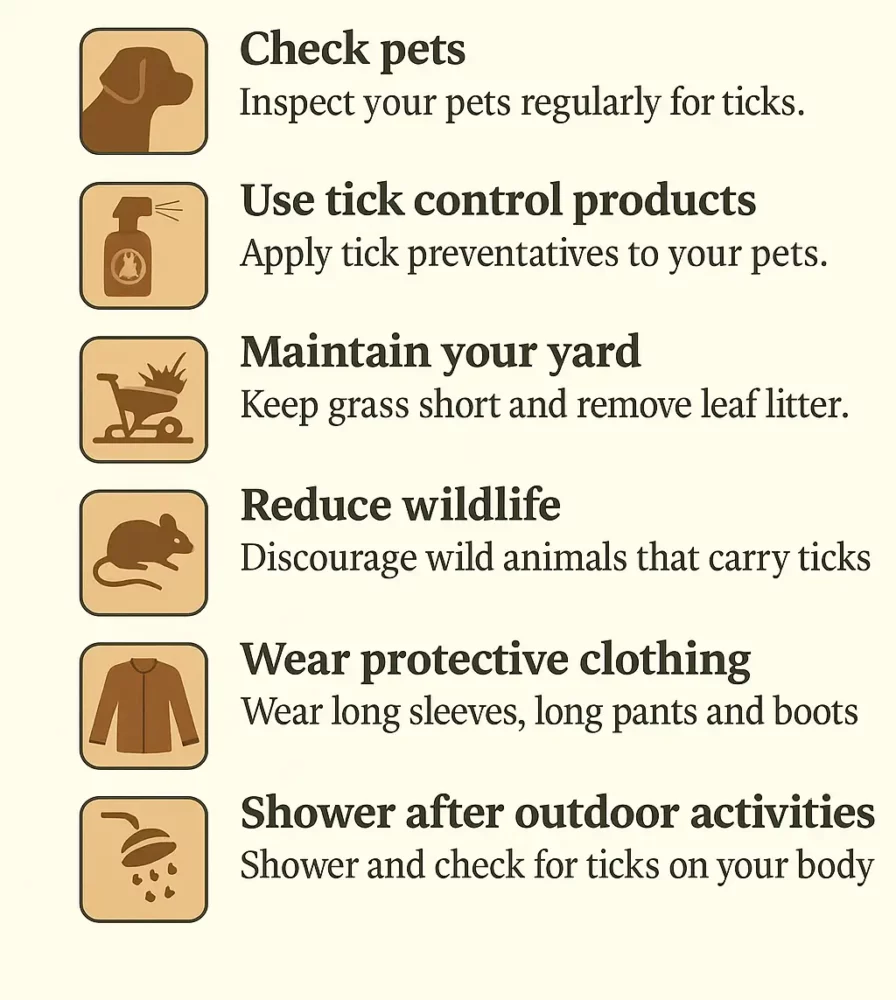
- Daily tick checks (ears, armpits, groin, toes).
- Wash bedding weekly at high temperatures.
- Mow grass short and reduce shaded thick areas.
- Vacuum carpets and rugs weekly to remove larvae and nymphs.
- Use vet-approved monthly tick preventatives consistently.
What to Expect at the Vet After a Tick Bite
- Safe Tick Removal: Vets use fine-tipped tools to remove ticks without leaving mouthparts behind.
- Tick Identification: Helps determine which diseases may have been transmitted.
- Blood Tests: CBC, blood smears, or PCR tests check for Babesiosis, Ehrlichiosis, Anaplasmosis, and Rickettsial infections — even before symptoms show.
- Treatment Options:
- Anti-protozoals for Babesiosis
- Doxycycline for Ehrlichiosis/Anaplasmosis
- Supportive care: fluids, vitamins, pain relief
- Severe Case Care:
- IV fluids for dehydration and organ support
- Blood transfusions in severe anemia
- Hospital monitoring (temperature, blood pressure, oxygen levels)
- Prevention Guidance: Your vet will recommend a monthly tick preventative and environmental control steps.
Pro Tip: Wash pet bedding weekly and vacuum frequently. Even ticks hate housework.
🐜 Tick Facts & Prevention Guide — What Every Pet Owner Should Know
A tick can live for 2–3 years — unless it’s living somewhere hot, where its clock ticks faster.
That’s a long time to hang around waiting for a snack (your pet)!
Detached ticks can hang around for several weeks in carpets, bedding, or dark corners.
Regular vacuuming and washing pet blankets in hot water keeps them from setting up a “tick Airbnb.”
Topical treatments containing fipronil or permethrin usually do the trick fast.
Heat also kills them instantly — so washing pet bedding in hot water works wonders.
Ticks don’t do maternity leave on their hosts — they drop off after feeding and lay
thousands of eggs in shady, quiet spots like grass roots, soil cracks, kennels, or under garden leaves.
A single female tick can lay up to 5,000 eggs before she dies — basically a one-bug nursery explosion waiting to happen.
That’s why yard hygiene (and pet treatments) matter as much as brushing your cat’s ego.
Yup — even ticks have their own worst nightmare! A tiny wasp called
Ixodiphagus hookeri lays its eggs inside live ticks.
When the baby wasps hatch, they eat the tick from the inside out.
It’s basically nature’s payback — a horror movie for ticks, but great news for pets and humans.
Definitely. Ticks are the masters of patience. When it gets too cold or dry,
they pause their entire life cycle using a trick called diapause.
They hide under leaves, soil, or old wood, waiting months — sometimes up to a year —
until the weather warms and your pet walks by again.
Think of it as tick hibernation… with attitude.
Surprisingly, not much! Most ticks take only three major blood meals
in their whole life — one as a larva, one as a nymph, and one as an adult.
That means each meal could be their last supper. After their final feast,
females lay eggs and die — a dramatic end to a slow, creepy career.
Because they’re basically living balloons. During a single feeding session,
a tick can expand to 200–600 times its original weight!
Their stretchy bodies are designed for maximum storage — like a blood-filled backpack.
Not pretty, but very efficient.
Ticks thrive in Gauteng’s warm, humid months — typically from September through March. Regular prevention from spring to early autumn is essential.
Bravecto provides 12 weeks of protection per chew, while NexGard requires monthly doses. Seresto collars protect for up to 8 months.
Seresto collars are vet-approved for medium and large dogs and are water-resistant for active Gauteng pets.
Which Tick & Flea Treatment Works Best for Dogs in Gauteng?
Tick Treatment Comparison for South African Dogs
| Brand | Active Ingredient(s) | Duration of Protection | Suitability for Gauteng Climate / Medium Breeds |
|---|---|---|---|
| Bravecto® | Fluralaner | 12 weeks (chew) for dogs | Excellent for Gauteng: offers long coverage through high tick-pressure months. Ideal for medium breeds (20–40 kg) and busy owners who prefer fewer doses. |
| NexGard® | Afoxolaner | 4 weeks (monthly chew) | Good option for active dogs but needs monthly administration. Works well in Gauteng’s long summer season if you stick to schedule. |
| Seresto® Collar | Imidacloprid + Flumethrin | Up to 8 months continuous protection | Great for Gauteng’s outdoor dogs — long-lasting and water-resistant. Medium-breed owners love the “set-and-forget” convenience. |
Also see our NexGard vs Bravecto Unbiased comparison.
Tip: Gauteng’s climate keeps ticks active almost year-round, especially from
September to March. For best results, combine a chew (Bravecto® or NexGard®)
with household hygiene and regular checks. Always consult your vet for breed-specific advice.
Need Help Choosing?
Our Gauteng pet experts can guide you to the best tick prevention for your dog’s size and lifestyle. View tick & flea protection deals → Buy prevention products here🦴 Still not sure which product suits your pet best?

Vet’s Note: Tick Bite Fever Can Be Fatal
Tick bite fever isn’t just an itchy nuisance — it can become life-threatening if untreated. Always consult your vet at the first sign of fever, pale gums, or weakness. Most cases respond well to timely care with antibiotics, anti-parasitic treatment, and supportive hydration. Never use human medication on pets.- Virbac South Africa – Tick & Flea Control for Dogs — local veterinary guidance on safe, effective tick prevention.
- MSD Vet Manual – Ticks of Dogs — covers tick identification, how they feed, life cycle, diseases transmitted, and prevention tips from a global veterinary authority.
- MSD Animal Health South Africa – Biliary in Dogs — explains tick-borne Babesiosis (“tick fever”), early symptoms, diagnosis, treatment, and local South African prevention guidelines.
Explore our Tick and Flea Repellants
-
 Select options This product has multiple variants. The options may be chosen on the product page
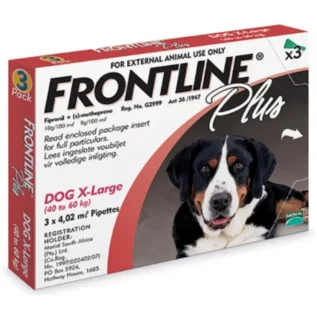
Frontline Plus Xl for Dogs | Tick and Flea Treatment for Dogs
R636 – R2237Price range: R636 through R2237 — or subscribe to save 10%5 out of 5Select options This product has multiple variants. The options may be chosen on the product page -
-8% Product on saleSelect options This product has multiple variants. The options may be chosen on the product page
Bayticol Dip and Spray – Effective Tickicide for Cattle, Horses & Dogs
5 out of 5R1605Original price was: R1605.R1480Current price is: R1480. — or subscribe to save 10%Select options This product has multiple variants. The options may be chosen on the product page -
Select options This product has multiple variants. The options may be chosen on the product page
Nexgard Spectra Green – Medium Dog Flea, Tick & Worm Chew (7.6 – 15 Kg) | Biksie
R215 – R649Price range: R215 through R649 — or subscribe to save 10%5 out of 5Select options This product has multiple variants. The options may be chosen on the product page









One Comment