

Dog Allergies in South Africa: Why Your Dog Is Itchy (And It’s Not Just the Food)
One day your dog is perfectly fine. The next, they’re licking their paws like it’s a competitive sport. If you’ve landed here, chances are you’re trying to figure out whether your dog has allergies — and whether changing food, shampoo, bedding, or half your household will actually fix it. The good news: dog allergies are common, manageable, and not nearly as mysterious as they feel. The frustrating news: they’re rarely solved by one quick switch or a single trendy product. Let’s unpack what’s really going on — calmly, practically, and without panic-buying half the pet shop.Dog Allergies Explained: Why Itching, Licking, and Ear Problems Keep Coming Back
Dogs don’t develop allergies quietly. They scratch, chew, lick, rub, shake their heads, and somehow always choose the exact moment you sit down to start. What often begins as “just a bit of itching” slowly turns into a cycle of flare-ups, infections, vet visits, and frustration that feels never-ending. The exhausting part of dog allergies isn’t that they appear dramatically. It’s that they linger, retreat, and then resurface — often just when you think you’ve finally solved the problem. For many dog owners, especially those dealing with dog allergies in South Africa, this leads to constant trial-and-error — new foods, new shampoos, new supplements — without ever fully understanding what’s driving the symptoms. The truth is simpler, and more frustrating: most dog allergies are chronic immune conditions, not temporary skin issues. Relief doesn’t come from chasing quick fixes. It comes from understanding what kind of allergy you’re dealing with and managing it consistently.Why the Same Allergy Symptoms Keep Returning
Dog allergies are driven by the immune system, not the skin. When a dog has an allergy, their immune system overreacts to substances that are harmless to most dogs. These substances — allergens — trigger inflammation throughout the body. The skin, ears, and paws simply show the damage first. Here’s the reality many owners aren’t told early enough: Most dog allergies don’t go away. That doesn’t mean your dog will always be miserable. It does mean that symptoms tend to flare up again and again unless the underlying trigger is identified and controlled. Treating the itch alone often brings temporary relief, but the cycle continues underneath.
The Three Main Causes of Dog Allergies
1. Environmental Allergies (Seasonal or Year-Round)
Environmental allergies are the most common cause of dog allergies, particularly in South Africa where warm climates, long pollen seasons, and mild winters extend exposure.
Triggers include:
- Grass, tree, and weed pollen
- Dust mites
- Mould spores
- Household dust
Unlike humans, dogs don’t usually sneeze or get runny noses. Their skin becomes the target organ.
Common signs include:
- Seasonal flare-ups that repeat every year
- Persistent paw licking
- Redness on the belly, face, and ears
- Recurrent ear infections
- Symptoms that worsen after outdoor exposure
Some dogs react only in spring or autumn. Others live in environments where allergens never fully disappear, leading to near year-round symptoms.
2. Flea Allergy Dermatitis
This is one of the most underestimated causes of itching.
Dogs with flea allergy dermatitis aren’t reacting to fleas themselves — they’re reacting to proteins in flea saliva. One bite can trigger weeks of intense itching. In South Africa, where fleas can survive throughout the year, even indoor pets remain at risk. If you want a deeper look at how flea infestations develop locally, see our guide on fleas in South Africa.
Typical signs include:
- Severe itching around the tail base and lower back
- Scabs or thickened skin
- Hair loss from chewing
- Sudden flare-ups even when no fleas are seen
Because fleas survive easily in South Africa, flea prevention plays a central role in managing dog allergies. Waiting until you “see fleas” is often too late for allergic dogs.
3. Food Allergies
Food allergies are less common than environmental allergies, but they’re frequently blamed first.
A true food allergy happens when a dog’s immune system reacts to a specific protein they’ve been eating — sometimes for months or even years. It’s not about the brand, the price, whether the food contains grains, or how premium the label sounds.
Proteins most commonly involved include:
- Beef
- Chicken
- Dairy
- Eggs
- Soy
- Wheat
These ingredients aren’t harmful — they’re simply common, which increases exposure over time in sensitive dogs.

What Dog Allergies Look Like Day to Day
Allergies don’t follow a neat checklist.
Most dogs show a combination of symptoms that overlap, change over time, and worsen during flare-ups.
Common signs include:
- Persistent scratching, chewing, or licking
- Red or inflamed skin
- Recurrent ear infections or head shaking
- Hair thinning or bald patches
- Excessive paw licking or staining between toes
- Watery or irritated eyes
- Vomiting, loose stools, or chronic digestive upset
Over time, constant inflammation weakens the skin’s natural barrier. This allows bacteria and yeast — normally harmless — to multiply, creating infections that intensify itching and discomfort.
Secondary Infections: Why Symptoms Escalate
Inflamed skin doesn’t protect itself properly.
Once the skin barrier is compromised, yeast and bacteria can overgrow easily. These secondary infections:
- Increase itch intensity
- Cause odour, discharge, and discomfort
- Mask the original allergic trigger
- Make symptoms seem “suddenly worse”
Treating the infection without addressing the allergy often leads to temporary improvement, followed by another flare-up weeks later.
Food Allergies vs Environmental Allergies: How to Tell the Difference
Food and environmental allergies often look identical on the surface. The difference usually lies in patterns, not symptoms.
Environmental allergies are more likely when:
- Symptoms worsen during certain seasons
- Paws and ears are consistently affected
- Symptoms improve temporarily in different environments
Food allergies are more likely when:
- Symptoms are present year-round
- Digestive issues accompany skin problems
- Symptoms persist despite seasonal changes
Because overlap is common, diagnosing food allergies requires structure and patience — not rapid food switching or guesswork.
Why Elimination Diets Matter
There is no reliable blood test for food allergies.
The only proven method is a strict elimination diet using:
- A novel protein your dog has never eaten, or
- A hydrolysed protein diet
For results to be accurate:
- No treats
- No flavoured medications
- No table scraps
- No exceptions
Improvement often takes 8–12 weeks. Many elimination diets fail because consistency breaks down, not because food isn’t the issue.

Seasonal Dog Allergies: Why Certain Times of Year Are Worse
Similar to humans, dogs can develop seasonal allergies caused by environmental allergens such as pollen from trees, grass, and weeds. Dogs with seasonal allergies may itch only in certain areas — commonly the paws and ears — or become itchy all over. Many experience recurring ear infections or skin infections that appear at the same time every year. In South Africa, seasonal patterns aren’t always clear-cut. Longer warm periods, variable rainfall, and extended pollen exposure mean some dogs experience symptoms for much of the year rather than in neat seasons. Seasonal allergies can’t be cured, but they can be managed very effectively. Starting treatment before allergy season begins often leads to milder symptoms and fewer infections.Managing Dog Allergies Long Term
There is no single cure for dog allergies — but they can be controlled. Most effective long-term plans include:- Year-round flea prevention
- Targeted diet changes when food allergies are suspected
- Anti-itch medication when needed
- Regular bathing with appropriate products
- Omega-3 supplementation for skin support
- Prompt treatment of secondary infections
A South African Veterinary Perspective
Veterinarians in South Africa see allergic skin disease daily, often earlier and more severely than owners expect. Long pollen seasons, warm climates, and year-round parasite exposure place continuous pressure on the immune system. The goal isn’t to eliminate allergens completely — which is rarely possible — but to reduce immune overload and prevent flare-ups before they escalate. Dogs whose owners understand allergies as a long-term management condition rather than something to “fix once” tend to experience better comfort and fewer infections.When to Involve Your Vet
Veterinary support is essential when:- Symptoms persist or worsen
- Ear infections keep returning
- Skin thickens or darkens
- Your dog appears restless or distressed
- Home management stops working
The Takeaway for Dog Owners
Dog allergies aren’t a sign that you’re doing something wrong. They’re complex immune conditions that require patience, consistency, and realistic expectations. Finding the right dog allergy remedy in South Africa isn’t about chasing trends or miracle solutions. It’s about understanding your dog’s triggers, reducing exposure where possible, and sticking to a stable plan that supports their immune system over time. When that balance is achieved, dogs stop fighting invisible battles every day — and owners finally get some peace too.Frequently Asked Questions About Dog Allergies in South Africa
Dog allergies are usually worst in spring and late summer, but many dogs in South Africa experience symptoms for much longer.
Spring brings grass and tree pollen, while late summer and early autumn increase weed pollen, mould, and dust exposure. Because many parts of South Africa have mild winters and extended warm periods, pollen seasons often overlap. This means some dogs never get a true “off season” and may show symptoms for most of the year rather than just a few months.
Persistent paw licking is most often caused by environmental allergies.
Dogs pick up pollen, grass residue, dust, and mould directly on their paws. In allergic dogs, this triggers inflammation and itchiness between the toes. Licking gives short-term relief but damages the skin barrier over time, making infections more likely and the itching worse.
Occasional paw licking is normal. Constant licking, staining, redness, or soreness usually means allergies or a secondary infection need attention.
Seasonal allergies are likely when symptoms follow a predictable pattern each year.
If your dog starts itching, licking paws, or getting ear infections during the same months every year — then improves during others — environmental allergens are usually involved. In South Africa, symptoms may last longer than expected because pollen seasons are extended and climate conditions vary by region.
Keeping track of when symptoms start, worsen, and ease is one of the most useful tools for identifying seasonal allergies.
It depends on the treatment and the type of allergy.
Some anti-itch medications reduce discomfort within days, especially when inflammation is controlled quickly. Dietary changes or elimination diets take much longer — often 8 to 12 weeks — before improvement is clear. Environmental management and supplements also work gradually rather than instantly.
The biggest mistake owners make is stopping treatment too early because improvement feels slow.
No — there is no permanent cure for dog allergies.
Dog allergies are chronic immune conditions. The goal is management, not elimination. With the right plan, most dogs become comfortable, flare-ups become less frequent, and infections are easier to control.
Think control, not cure.
Mild allergies can sometimes be supported at home, but results vary.
Helpful non-medication steps include:
Rinsing or wiping paws after outdoor walks
Regular bathing with gentle, dog-safe shampoos
Omega-3 fatty acids to support skin barrier health
Strict flea prevention
Keeping ears clean and dry
These steps reduce allergen load and skin irritation, but they do not replace veterinary care when symptoms are persistent, severe, or worsening.
Environmental allergies are far more common than food allergies.
Most allergic dogs react to pollen, dust mites, mould, or flea saliva. Food allergies do occur, but they are less frequent and often over-suspected. This is why changing food repeatedly often doesn’t solve the problem.
Food allergies should be investigated only when symptoms are year-round or fail to respond to environmental management.
No — flea medications do not cure allergies, but they are still essential.
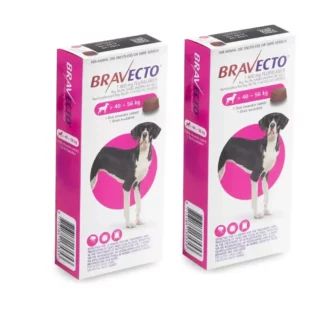
Products like Bravecto or NexGard prevent flea bites, which is critical for dogs with flea allergy dermatitis. However, they do not treat environmental or food allergies directly. Allergic dogs often still itch even when flea control is excellent.
Think of flea prevention as removing one major trigger, not solving the entire allergy problem.
Veterinary allergy medications work by blocking itch signals or reducing immune overreaction.
Common active approaches include:
Immune-modulating agents that reduce itch signalling
Injectable antibodies that block itch pathways
Short-term anti-inflammatory medication in flare-ups
The “best” option depends on your dog’s symptoms, severity, and overall health. This decision should always be made with a veterinarian.
You should not give human allergy medication without veterinary guidance.
Some antihistamines can be used in dogs under vet supervision, but others are unsafe or ineffective. Dosages differ greatly between humans and dogs, and incorrect use can cause sedation, agitation, or dangerous side effects.
If your dog is itchy enough that you’re considering human medication, it’s a strong sign that proper veterinary treatment is needed.
🦴 Want to explore Allergy Product brand some more?

A Vet’s Note (Why Allergies Behave Differently in South Africa)
South African veterinarians see allergic skin disease in dogs daily — often more persistently than owners expect.
Local conditions such as long pollen seasons, mild winters, and year-round parasite exposure mean many dogs are never truly “out of allergy season”.
Most Allergic dogs are not reacting to a single trigger.
Environmental allergens, flea exposure, and sometimes food sensitivities often combine, placing continuous strain on the immune system.
Warm climates also make secondary infections more likely.
Inflamed skin struggles to protect itself, allowing yeast and bacteria to overgrow and intensify itching and discomfort.
From a veterinary perspective, allergy care focuses on reducing immune overload rather than eliminating every allergen.
Dogs whose owners treat allergies as a long-term management condition — with early intervention and consistent prevention — tend to experience fewer flare-ups and better quality of life.
Explore our Dog Allergy ranges
-
Bravecto Chew Large 2 Pack 20-40kg Tick & Flea Treatment
5 out of 5R1430Original price was: R1430.R1298Current price is: R1298. — or subscribe to save 10% -
Vets Own Probi Cream 100ml – Advanced Allergy & Skin Care Relief
R145,20 — or subscribe to save 10%5 out of 5 -
Xenpet Refreshing Deodorising Spray 6 X 250ml Anti-itch Care
R518 — or subscribe to save 10%5 out of 5





Helpful Links and Additional Resources
- PetMD – Understanding Canine Atopic Dermatitis (Allergic Skin Disease)
- VCA Animal Hospitals – Allergies in Dogs: Symptoms and Treatment
- American Kennel Club – Common Dog Allergies Explained
- Hill’s Pet Nutrition – Dog Allergies and Skin Sensitivities
- Blue Cross – Recognising and Managing Allergies in Dogs
- Browse Sensitive Skin & Allergy-Friendly Dog Food at Biksie
- Royal Canin – Understanding Dog Allergies and Skin Reactions


