
Best Puppy Food in South Africa: A Practical Feeding Guide From Birth to Bowl
Puppies don’t come with instruction manuals. They arrive hungry, sleepy, and somehow still confused about how their legs work. Choosing the Best Puppy Food in South Africa isn’t about grabbing one bag and hoping for the best — it’s about feeding the right thing at the right stage, without turning every meal into a stressful guessing game. This guide walks through puppy feeding step by step, from the nursing stage and milk replacement, through weaning and soft foods, and finally into dry puppy food. We’ll cover how often to feed, when to transition, and why size and breed start to matter more than most people expect. If you’re looking for a broader overview of everyday feeding — including adult dog food, sensitivities, and how local options compare — our guide to the Best Dog Food in South Africa covers the bigger picture.The nursing stage: birth to around three weeks
During the first weeks of life, puppies rely entirely on milk for nutrition, hydration, and immune support. When the mother is present and healthy, nursing usually provides everything puppies need.
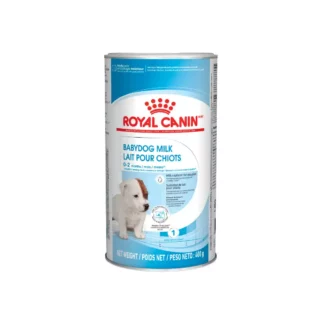
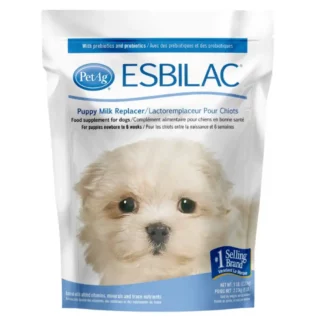
When the mother is unavailable, unwell, or producing too little milk, a proper puppy milk replacer becomes essential. Products such as Esbilac Milk Replacer or Royal Canin Babydog Milk are designed to closely match the fat, protein, and calcium balance of canine milk.
Cow’s milk is not suitable for puppies. It contains lactose levels that puppies struggle to digest and lacks the nutritional balance required for early growth. The result is often bloating, diarrhoea, or poor weight gain — problems that are avoidable with a proper milk replacer.
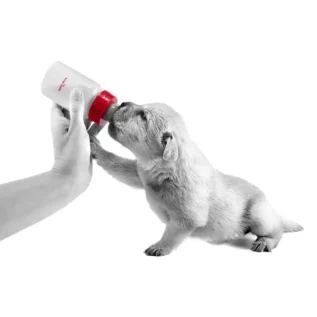
Newborn puppies need frequent feeds, usually every two to three hours, including overnight. Feeding should be calm and followed by rest. Puppies should not be picked up, jostled, or played with immediately after feeding.
At this stage, puppies also need gentle stimulation after feeding to assist digestion and elimination. This is typically done by lightly rubbing the anal area with a warm, damp cloth — a small but important part of early care.
During the nursing stage, feeding frequency matters more than exact volume. The table below gives a general sense of how often puppies feed and how much milk they usually take at each age.
| Age (Weeks) | Feeds Per Day | Mini (1–10 kg) | Medium (11–25 kg) | Maxi (26–44 kg) | Giant (45 kg +) |
|---|---|---|---|---|---|
| 1 | x8 | 3–10 ml | 5–20 ml | 10–25 ml | 15–35 ml |
| 2 | x5 | 10–30 ml | 15–50 ml | 30–70 ml | 40–80 ml |
| 3 | x4 | 20–50 ml | 35–90 ml | 60–120 ml | 85–125 ml |
| 4 | x4 | 25–60 ml | 45–125 ml | 90–170 ml | 120–190 ml |
These amounts are guidelines, not targets. Puppies vary, and steady weight gain and calm feeding behaviour matter more than exact numbers.
Early transition: introducing soft foods (around 3–4 weeks)
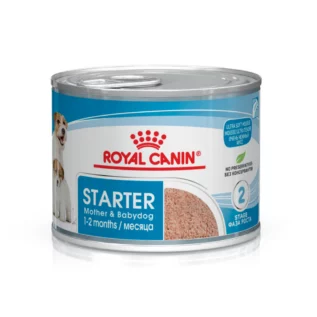
Around three to four weeks, puppies begin the weaning process. They’re more alert, starting to walk properly, and showing interest in food beyond milk. Food at this stage should still be soft and easy to digest. Starter diets designed for both mothers and puppies, such as Royal Canin Mini Starter Mother & Babydog, work well when softened with warm water or milk replacer to form a porridge-like texture. Meals are offered several times a day in small amounts. Puppies may lick the food, step in it, or wear some of it — this is all part of learning. Milk intake is gradually reduced as solid food intake increases. This transition should be slow and steady to avoid digestive upset.| Age (Weeks) | Food Type | Feeds Per Day | Texture |
|---|---|---|---|
| 3–4 | Milk + Starter Food | 4–5 | Very soft / porridge-like |
| 5–6 | Starter Food | 4 | Soft, lightly mashed |
| 6–7 | Puppy Food | 3–4 | Lightly softened kibble |
| 8+ | Dry Puppy Food | 3 | Dry kibble |
Small mouths, small portions: Yorkshire Terrier puppies
Once puppies are eating dry food, size begins to matter — especially for toy breeds like Yorkshire Terriers. Yorkie puppies have very small mouths and delicate jaws, and standard puppy kibble can be difficult to chew. Breed-specific diets such as Royal Canin Yorkshire Terrier Junior Puppy Food are designed with smaller kibble shapes that fit tiny mouths comfortably. These formulas are also more energy-dense, which suits toy breeds with fast metabolisms and very small stomachs. Portion control is essential, as overfeeding happens quickly and often leads to digestive upset.How to tell when it’s time to move to the next stage
Puppies rarely read feeding guides, so their behaviour matters more than the calendar. Signs that a puppy is ready to move forward include steady weight gain, firm stools, interest in food, and confident chewing. If a puppy struggles with texture, seems uncomfortable after meals, or develops loose stools, it usually means the transition is happening too fast — not that the food itself is wrong. Slowing down, softening food slightly, or spacing meals more evenly often solves the problem without needing to switch diets.Final thoughts
The Best Puppy Food in South Africa isn’t about chasing trends or sticking to one brand forever. It’s about feeding appropriately at each stage of growth, from milk replacement to weaning to dry food. Feed calmly. Transition slowly. Pay attention to how your puppy responds. When nutrition matches the stage, puppies grow into strong, comfortable dogs — and feeding stops feeling like a daily puzzle.Frequently Asked Questions About Best Puppy Food in South Africa
Puppies usually begin exploring solid foods around 3–4 weeks of age. Start with softened puppy food or a gentle porridge using starter formulas, and gradually reduce liquid until they can chew kibble confidently by 6–8 weeks.
No — cow’s milk is not suitable for puppies. It contains lactose levels puppies can’t digest and lacks the balanced nutrition they need in the early weeks. Use a proper puppy milk replacer like Esbilac or Royal Canin Babydog Milk instead.
Very young puppies (under 4 weeks) need frequent small feeds. Between 4–8 weeks, aim for 3–5 feeds daily as part of their transition. After 8 weeks and into dry food feeding, 3 feeds per day is usually sufficient.
Puppies are born without teeth and only begin chewing properly as they grow. Soft foods are easier to lap and swallow during early weaning, while dry puppy food is introduced gradually as teeth develop. Many puppies start with softened puppy kibble or gentle starter formulas before moving on to dry food once chewing feels natural.

A Vet’s Note (Puppy Thoughts)
During the first months of life, puppies are not just “small dogs.” Their digestion, immune system, bones, joints, and brain are all developing at the same time — and that rapid growth makes nutrition especially important. From a veterinary perspective, puppy food isn’t chosen based on trends or packaging. It’s selected using established growth nutrition guidelines, such as those defined by the AAFCO nutrient profiles , which are widely used by veterinary nutritionists when formulating puppy diets. Milk replacers like Esbilac and Royal Canin Babydog Milk are designed to mimic canine milk far more closely than cow’s milk, which puppies often struggle to digest. Using a proper replacer supports steady weight gain and reduces the risk of diarrhoea during the earliest weeks of life. As puppies grow, starter and weaning diets help introduce solid nutrition gradually, allowing the digestive system to adapt. Moving too quickly — or skipping stages — is one of the most common reasons vets see upset stomachs during early puppyhood. For most healthy puppies, a complete growth formula provides everything needed to support:- Bone and joint development with balanced calcium levels
- Immune system maturation
- Healthy digestion as gut bacteria establish
- Consistent energy for growth and learning
Explore our Puppy dog food range
-
Royal Canin Mini Starter Mother & Puppy Canned Mousse (12x195g)
R565,50 — or subscribe to save 10%5 out of 5 -
Esbilac Puppy Milk Replacer for Dogs – Complete Canine Milk Formula
5 out of 5R5855Original price was: R5855.R5590Current price is: R5590. — or subscribe to save 10%




Helpful Links and Additional Resources
- AAFCO Dog Food Nutrient Profiles (Growth & Reproduction)
- WSAVA Global Nutrition Guidelines for Dogs
- PetMD – Feeding and Caring for Newborn Puppies
- Esbilac Puppy Milk Replacer – Product & Feeding Information
- Royal Canin – Puppy Growth Nutrition Explained
- Omega Pet Foods – Puppy Nutrition & Local Formulation
- Browse Puppy Food & Feeding Options at Biksie


 Jenny Morris Coconut Oil Biscuits – 450G
  Vondi Om3 Omega Oil - 200Ml
 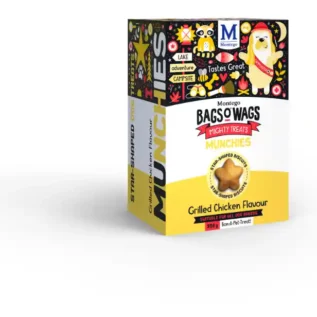 Chicken Flavoured Munchies Biscuits 8 X 350G
I have to say Esbilac is probably the best puppy milk I have ever used for my puppies.
Thanks Dirk, Yes it is a great product, we have received only good comments about it. Anyways if you’d like to shop at Biksie you can visit https://biksie.co.za/shop/dog/dog-food/esbilac_milk_replacer_227kg/ .
Let us know how it goes with the litter. We will probably soon have more breed-specific products available. Keep an eye-out